DA PAM 670-1: 4-10. Headgear
Quick Answer
The patrol cap is the standard headgear worn with the ACU in garrison. The black beret is not standard but may be prescribed for special events. Commanders may authorize the fleece cap (black or coyote brown) in field environments, and the boonie hat for field or work details. Officers wear grade insignia on the beret flash; enlisted wear DUI centered on the flash.
Important
Unit and command policies may be more restrictive than AR 670-1. Always verify with your chain of command for local policies.
Official Source
View DA PAM 670-1, Section 4-10 (Page 24)Full Details
4-10. Headgear
a. Patrol cap.
(1) General. The patrol cap is standard headgear worn with the combat uniform in the garrison environment. The patrol cap has a visor, circular top crown, side crown with an outside crown band, and a hook-and-loop pad on the back of the patrol cap (see fig 4–1).
(2) Wear. Personnel wear the patrol cap straight on the head so that the cap band creates a straight line around the head, parallel to the ground. The patrol cap will fit snugly and comfortably around the largest part of the head without bulging or distortion from the intended shape of the headgear and without excessive gaps. No rolling of, blocking, or alterations to the cap are authorized. The cap is worn so that no hair is visible on the forehead beneath the cap. The nametape will be worn centered on the hook-and-loop pads on the back of the patrol cap. Subdued pin-on or sew-on grade insignia, or branch insignia for chaplains, is worn centered on the front of the headgear left to right and top to bottom (see para 21–3g). Soldiers may sew on the nametape or grade insignia as an option. Hook-and-loop fasteners for the nametape may be left on or removed when sewing it on to the patrol cap. If Soldiers choose to sew on the nametape or grade insignia, it will be at their own expense.
b. Beret. The black beret is not the standard headgear for wear with the combat uniform. However, commanders retain the authority to prescribe the black beret for special events such as parades or changes of command or responsibility. Soldiers who are authorized to wear an organizational beret wear the tan, green, maroon, or brown beret as the standard headgear with the combat uniform while in a garrison environment (see para 20–4).
c. Fleece cap. Commanders may authorize wear of the black or coyote brown fleece cap with the combat uniform in field environments when the Army combat helmet is not worn, on work details, or in other environments where wearing the patrol cap is impractical. Personnel wear the fleece cap pulled down snugly on the head. To wear the cap properly, the bottom edge (all) of the cap may be folded, but not rolled. Installation commanders will determine temperature, wind chill, and extended duty time warranting wear of the cap in nonfield, nondeployed environments (see para 20–13).
d. Sun (boonie) hat. The sun hat is an OCIE item authorized for wear with the combat uniform in field environments when the advanced combat helmet is not worn, on work details, or in other environments where wearing the patrol cap is impractical, as determined by the commander. Personnel wear the sun hat straight on the head so that the web band creates a straight line around the head, parallel to the ground. The sun hat will fit comfortably around the largest part of the head without distortion or excessive gaps. The sun hat is worn so that no hair is visible on the forehead beneath the hat. The drawstring on the sun hat can be worn under the chin, around the back of the head and neck, or tucked inside. The drawstring will not be worn over the top of the sun hat. The sun hat will not be worn rolled, formed, shaped, blocked, or with an upturned brim. Subdued pin-on or sew-on grade insignia, or branch insignia for chaplains, is worn centered on the front of the headgear left to right and top to bottom (see para 21–3g).
e. Headgear guidance. Officers and warrant officers wear nonsubdued grade insignia centered on the beret flash, and chaplains wear their branch insignia. General officers may wear full, medium, or miniature stars on the beret. Stars are centered horizontally on the flash point to point, and they may be mounted on a bar as an option. Overlapping stars beyond the flash is authorized. Enlisted personnel wear this distinctive unit insignia (DUI) centered on the beret flash, except as follows. A command sergeant major (CSM) assigned as the Senior Enlisted Advisor to the Chairman of the Joint Chiefs of Staff (SEAC) wears the SEAC collar insignia in lieu of the DUI designated for joint or Department of Defense (DoD) agencies. The Sergeant Major of the Army (SMA) and enlisted staff members assigned to the Office of the SMA wear the SMA collar insignia in lieu of the assigned DUI. Enlisted personnel assigned to units not authorized the DUI wear regimental distinctive insignia (RDI) (see para 21–3 for placement of headgear and beret flashes).
Related Figures
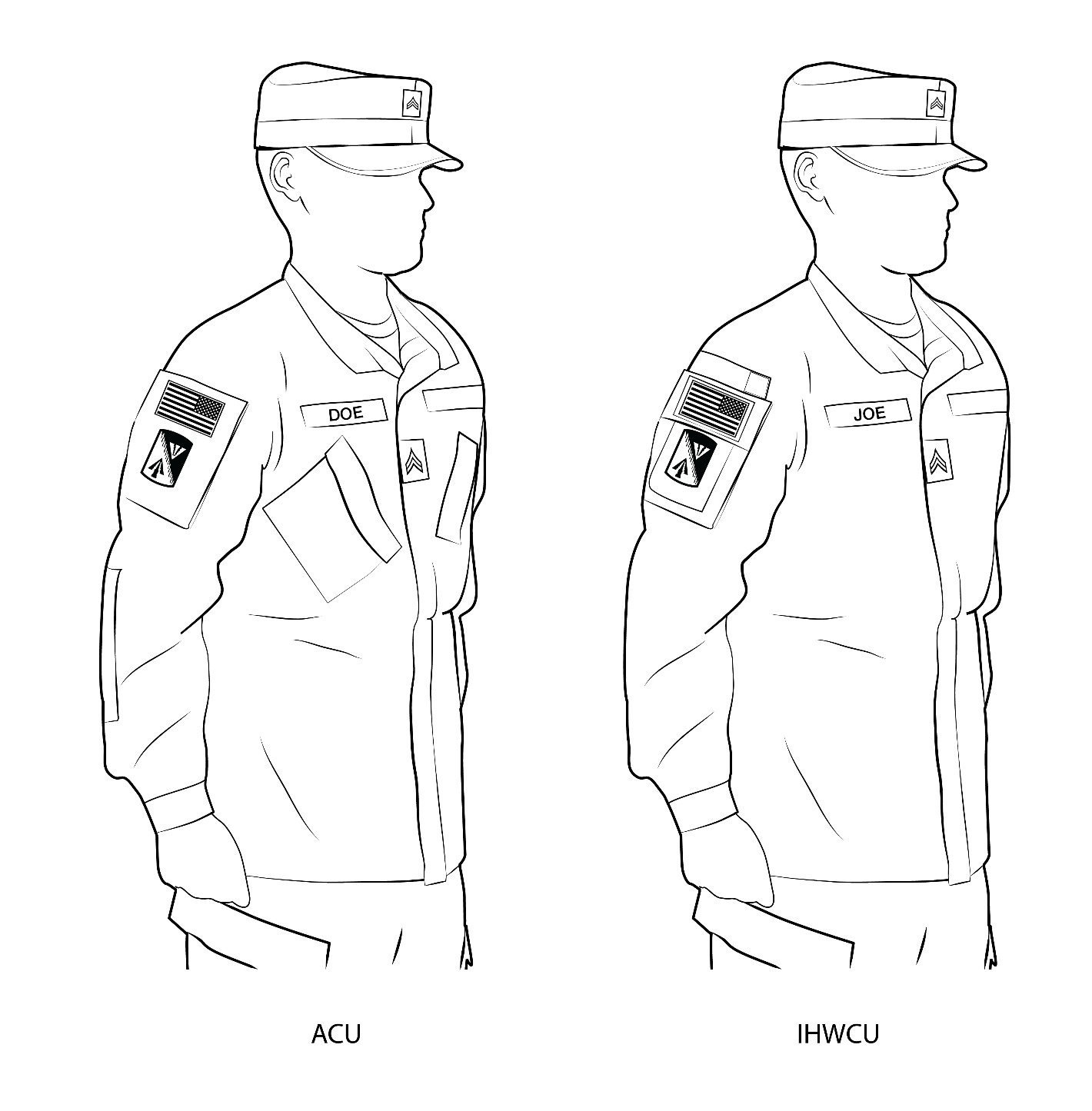
Figure 4-1: Army combat uniform and improved hot weather combat uniform
DA PAM 670-1, Page 20
Figure 4-1 from DA PAM 670-1
View in PDFRelated Topics
Get AR 670-1 Update Alerts
Be the first to know when Army Directives change uniform policies.
Disclaimer: This information is provided for educational purposes only. AR670.com is not an official U.S. Army resource. Always verify guidance with official publications and your chain of command.